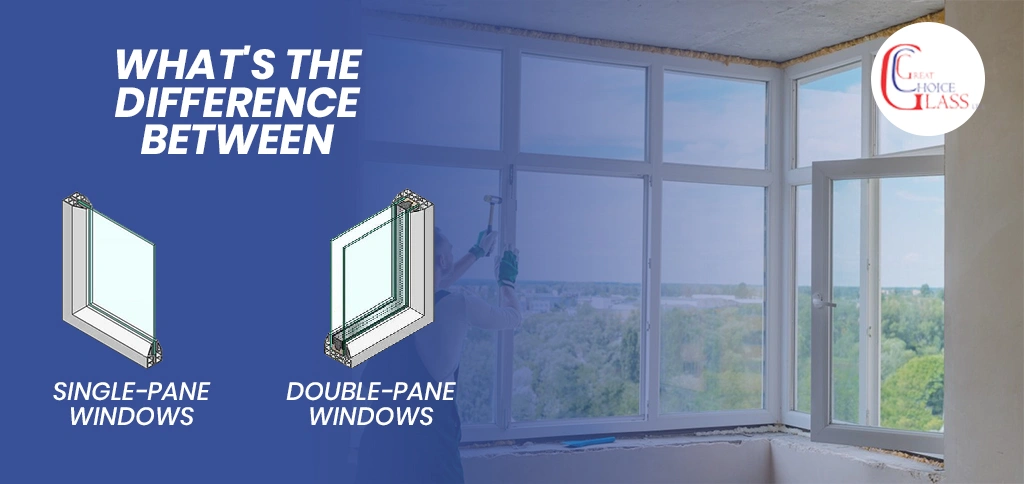
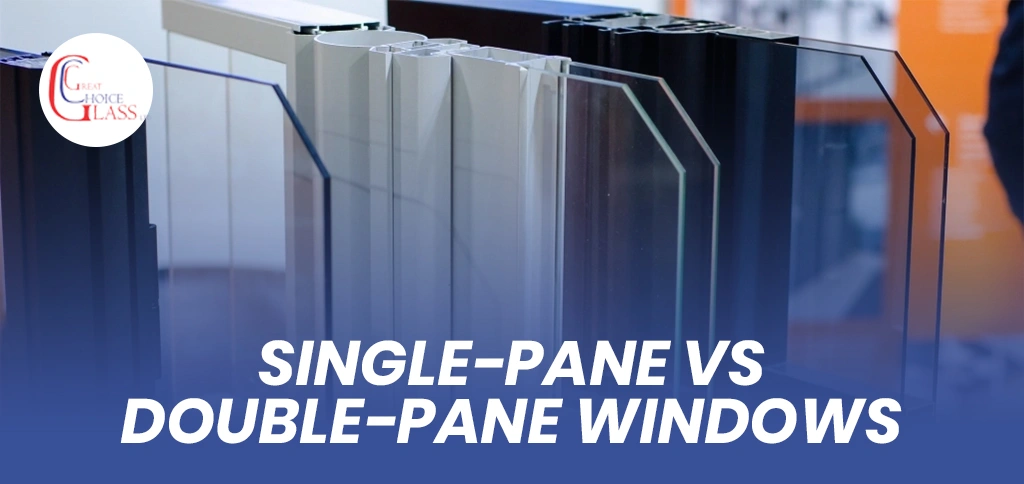
| Insulation | No insulating layer; heat moves through easily, raising heating and cooling costs. | Two panes separated by a gas layer, often argon or krypton, that reduces heat transfer. |
|---|
| Energy Efficiency | No barrier against outside heat or cold, so the heating and cooling system works harder for the same comfort level. | The insulating gap works both ways, keeping outside heat out in summer and interior heat in during winter. |
|---|
| Cost | Lower upfront cost. | Higher upfront cost, offset over time as the lighter heating and cooling load reduces running costs. |
|---|
| Noise Reduction | A single pane absorbs less sound before it passes through. | The air or gas gap absorbs sound before it passes through, cutting traffic and construction noise more. |
|---|
| Maintenance and Durability | More prone to the condensation that leads to mould and mildew, especially in a cold climate. | Reduced heat transfer means less condensation; durability either way still depends mainly on glass and frame quality and installation. |
|---|